
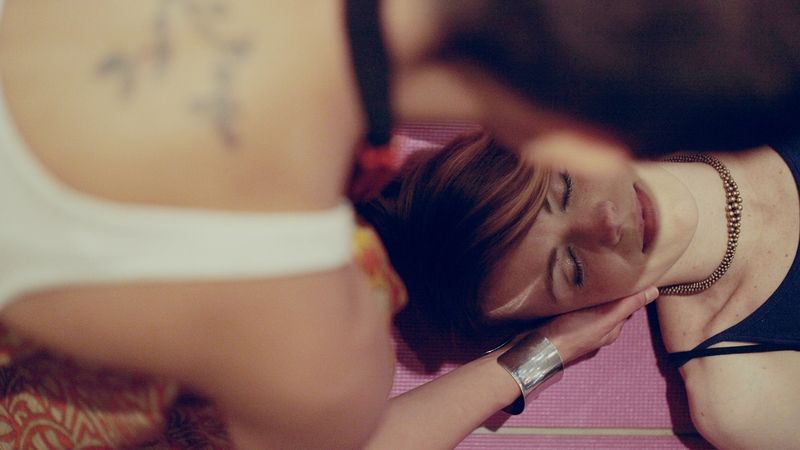
When we talk about the massage profession for the visually impaired, public perception is often still trapped in a narrative of pity. It's as if becoming a masseur is a last resort or a profession for those who are "unlucky" because they lack other career options in the formal sector. However, with the establishment of the Professional Certification Institute (LSP) Pertuni, which issues competency certificates standardized by BNSP, this narrative is now poised for a complete transformation.
Now is the time to look far ahead. The visually impaired massage profession is not merely a legacy of the past, but a modern industrial opportunity with the potential to absorb thousands of disabled workers. How will the future of this profession take shape?
Shifting Paradigms: From Alternative Profession to Formal Study Program
The first step towards a bright future is to change our perspective. Visually impaired masseurs possess an innate advantage: an extraordinary sense of touch. When they perform a massage, they don't just feel the skin; they can sense muscle tension, locate nerves, and even identify issues within the client's body anatomy. This mechanical sensitivity is a specific ability that is even difficult to measure with machine technology alone.
Moving forward, the visually impaired massage profession is targeted to no longer be learned informally. The grand aspiration is to establish this discipline as a formal Study Program—on par with physiotherapy found in various universities. Given the deep-rooted history of visually impaired massage in Indonesia since 1901, this discourse is not an empty dream, but a revival of the Nusantara's traditional medical heritage, now scientifically validated.
Potential for Integration with BPJS and Corporate Clinics
Modern lifestyles with high levels of work-related stress make many office workers susceptible to chronic fatigue and health problems. Unfortunately, our healthcare paradigm often immediately relies on chemical medications. However, not all issues of fatigue and stress need to be resolved at the pharmacy counter.
This is where visually impaired therapists can play a strategic role. Many workers actually only need mechanical muscle relaxation and a good listener (counselor) to relieve their stress. If future health regulations—such as BPJS Kesehatan nomenclature or in-house clinic facilities in large corporations—are willing to accommodate certified visually impaired therapists, then workers' health issues can be addressed more naturally and holistically.
Penetrating the Tourism Sector: A Real Solution to Unemployment
Beyond the health sector, the tourism sector—especially hospitality—is a golden field for empowering people with disabilities. Historically, visually impaired masseurs have often struggled to compete with modern reflexology centers due to limited access to capital and visual promotion. However, imagine if the government and hospitality businesses synergized to absorb visually impaired workers who have passed BNSP competency tests.
The calculations are highly rational and promising. In Jakarta alone, there are over 1,000 to 1,200 operating hotels. If the government can encourage every hotel to employ at least three visually impaired therapists in their spa facilities or fitness centers, then 3,000 new job opportunities would open up instantly. With these 3,000 formal jobs, we would no longer see visually impaired individuals forced onto the streets due to economic hardship.
Sustained Advocacy
Of course, the path to this vision requires hard work. The establishment of LSP Pertuni is the initial "weapon" to break down the regulatory walls that have long been tightly closed. Armed with official National Work Competency Standards (SKK), Pertuni now possesses strong bargaining power to advocate to the Ministry of Manpower, the Ministry of Tourism, and even the Ministry of Health.
In conclusion, the future of the visually impaired massage profession now has a clear foundation. Through competency standardization, we are moving from a culture of empathy-based treatment towards a professional and inclusive health and tourism industry. Now, the support from policymakers and the private sector will determine how quickly this vision of inclusion becomes a reality.
References:
- YouTube Channel of the Indonesian Blind Association, "Eka Setiawan: The Future of the Visually Impaired Massage Profession: Why Must There Be LSP Pertuni?"