
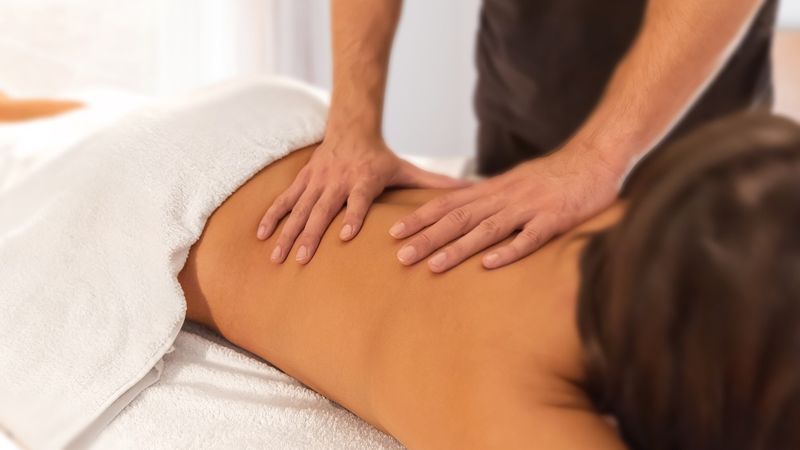
Kartunet - For decades, the profession of masseur has been closely associated with visually impaired individuals in Indonesia. According to data compiled by the Indonesian Blind Union (Pertuni), approximately 70 percent of visually impaired people—especially those with limited formal education—work and rely on providing massage services or therapy for their livelihoods. However, this occupation largely remains in the informal sector, often leading it to be underestimated and viewed as a traditional job merely for survival.
With the enactment of Law No. 8 of 2016 concerning Persons with Disabilities, the paradigm of employment in Indonesia began to shift. This regulation explicitly mandates a disability employment quota system: at least 1 percent for private companies and 2 percent for government agencies, as well as State-Owned Enterprises (BUMN) and Regionally-Owned Enterprises (BUMD). This affirmative policy opens a golden opportunity for visually impaired individuals to bring their massage skills into the formal sector. They now have the chance to work as professional therapists in hotels, corporate clinics, hospitals, and the wellness industry.
Certification Challenges and Curriculum in Special Needs Schools (SLB)
Despite the availability of regulations and quotas, visually impaired job applicants often face obstacles due to qualification demands from the Business and Industrial World (DUDI), which require professional competency certificates. This is where the special education ecosystem encounters significant challenges.
The government, through the Ministry of Primary and Secondary Education (Kemendikdasmen), has actually designed the curriculum for Special Needs Schools (SLB) with a dominant proportion of vocational learning to equip students with independence. As a form of quality assurance, the government has also granted licenses to 20 SLBs across Indonesia to become First-Party Professional Certification Bodies (LSP P1) under the auspices of the National Professional Certification Agency (BNSP). Unfortunately, among the 10 fields of expertise currently certified by SLBs (such as batik making and culinary arts), the field of massage has not yet been accommodated. Academically, massage skills in SLBs are often still considered merely extracurricular activities, not part of the main curriculum.
Collaborative Solution: Synergy between SLB's LSP P1 and Pertuni's LSP P3
Recognizing high market demand and the unpreparedness of certification infrastructure upstream (schools), Pertuni took a tactical step by establishing a Third-Party Professional Certification Body (LSP P3). Through this LSP P3, which targets community organizations, Pertuni has developed and registered Special Work Competency Standardization for visually impaired individuals with the Ministry of Manpower.
The establishment of Pertuni's LSP P3 has been well-received by the Directorate of Special Education and Special Services (PKPLK) of Kemendikdasmen. To create a sustainable workforce preparation cycle, SLBs functioning as LSP P1 can collaborate directly with Pertuni's LSP P3. Through this scheme, SLBs play a role in providing foundational training and vocational massage curriculum to students, while Pertuni is present to test and issue BNSP competency certificates recognized by the professional world.
In addition to formal SLB education, the government also encourages the utilization of inclusive Course and Training Institutions (LKP). These course programs can be a highly effective short-term solution for productive-aged SLB graduates (17-25 years old) who wish to intensively deepen their massage skills before taking professional certification exams.
Conclusion: A Passport to Financial Independence
Competency certification is not merely a piece of paper; it is a quality assurance instrument and a form of official recognition from the state that an individual is truly competent in their field. Through curriculum standardization in SLBs, the availability of LKPs, and the presence of competency testing from Pertuni's LSP, the masseur profession now has a clear roadmap to "level up." This is the time for visually impaired individuals to prove that their skills deserve professional recognition in the formal industry, while simultaneously breaking the stigma that massage work is merely an act of charity.
References:
- Persatuan Tunanetra Indonesia YouTube Channel, "The Fate of Inclusive Education & SLB in Indonesia, (With PKPLK Director) Pertuni Media"
- Central Executive Board of the Indonesian Blind Union (DPP Pertuni). Guidelines for Recruitment & Placement of Visually Impaired Workers.
- ICEVI & The Nippon Foundation (2022). Transition to Employment: Lessons from the Philippines, Indonesia & Vietnam.