
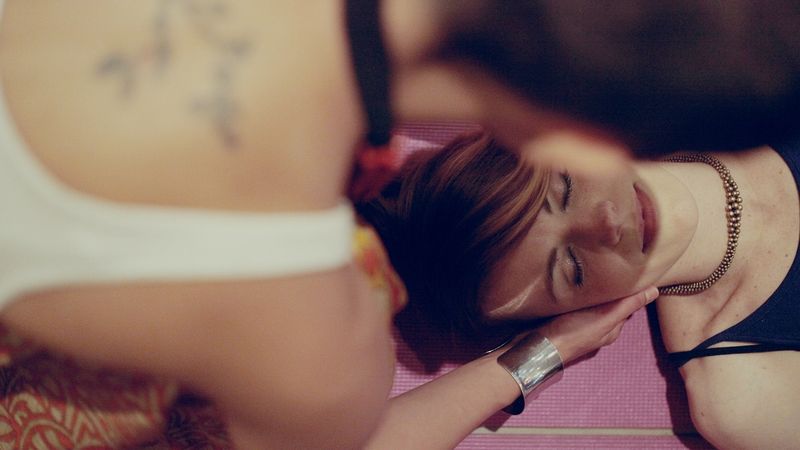
When you hear the term "blind massage," what's the first thing that comes to mind? Most people might imagine a traditional massage service or a therapeutic massage whose skills are passed down through generations or are simply based on suggestion. However, did you know that the profession of blind massage therapists (masseur) actually has a very long historical foundation and rigorous medical scientific discipline?
Let's uncover the scientific facts behind the blind massage profession that are rarely known to the public.
A Long History Older Than the Republic Itself
The profession of blind massage is not new in Indonesia. Long before Indonesia gained independence, massage education or training for the visually impaired began in 1901 in Bandung by a Dutch doctor. The educational institution that started it is now widely known as Sentra Wiataguna.
Because it was founded by a Dutch doctor, the training curriculum implemented was highly structured and adopted training methods from Europe. This proves that, historically, blind massage is a profession even older than our own country.
Learning Anatomy Directly from Healthcare Professionals
Becoming a professional blind massage therapist is not easy. They don't just randomly press or massage a client's body. In rehabilitation centers, visually impaired students must pass through a very strict educational screening process.
Entering the second year of training, they are burdened with basic medical science material such as human anatomy, physiology, and even pathology. They must memorize muscle anatomy (including muscle origins and insertions), nerve anatomy, bones, and body fluid systems. Furthermore, these complex subjects are taught directly by professional healthcare personnel, such as nurses, not just ordinary social workers. It's no wonder that many students drop out or fail if they cannot meet these academic standards.
Scientific Approach: From Reflexology Points to Segment Massage
In addition to studying 60 reflexology points on the soles of the feet that represent internal organs, visually impaired individuals also learn science-based healing methods. One of the scientific methods studied is the theory of segment massage.
Through this theory, visually impaired individuals learn about the peripheral nervous system that emerges from the spinal segments (vertebrae) and is directly connected to specific body organs. This neurological approach allows blind massage therapists to stimulate or provide mechanical stimuli to the body to strengthen the client's metabolism and organ function.
Current Challenges: Stigma and Regulation
Unfortunately, the high level of scientific discipline learned has not been matched by regulatory recognition in Indonesia. This profession experienced a drastic decline in demand after the 1998 monetary crisis, when many laid-off workers turned to opening reflexology massage businesses armed with short guidebooks and massage tools. This situation shifted the market away from blind massage therapists, who at the time lacked strong visual promotion strategies.
Even more ironically, the government, through the Ministry of Health, currently still categorizes blind massage therapists as "traditional healers" with a Traditional Healer Registration Certificate (STPT). This label blurs the scientific parameters (anatomy, physiology, neurology) they painstakingly learn, equating them with traditional massage methods that rely on suggestion or inherited practices.
In conclusion, when you use the services of a trained blind massage therapist, you are actually being treated by a therapist who understands your body's anatomy and nervous system. It's time we appreciate this profession not out of pity, but because of the quality, competence, and precise scientific knowledge they possess.
References:
- Indonesian Blind Union YouTube Channel, "Eka Setiawan: The Future of the Blind Massage Profession: Why Must There Be a Pertuni Professional Certification Body?"