
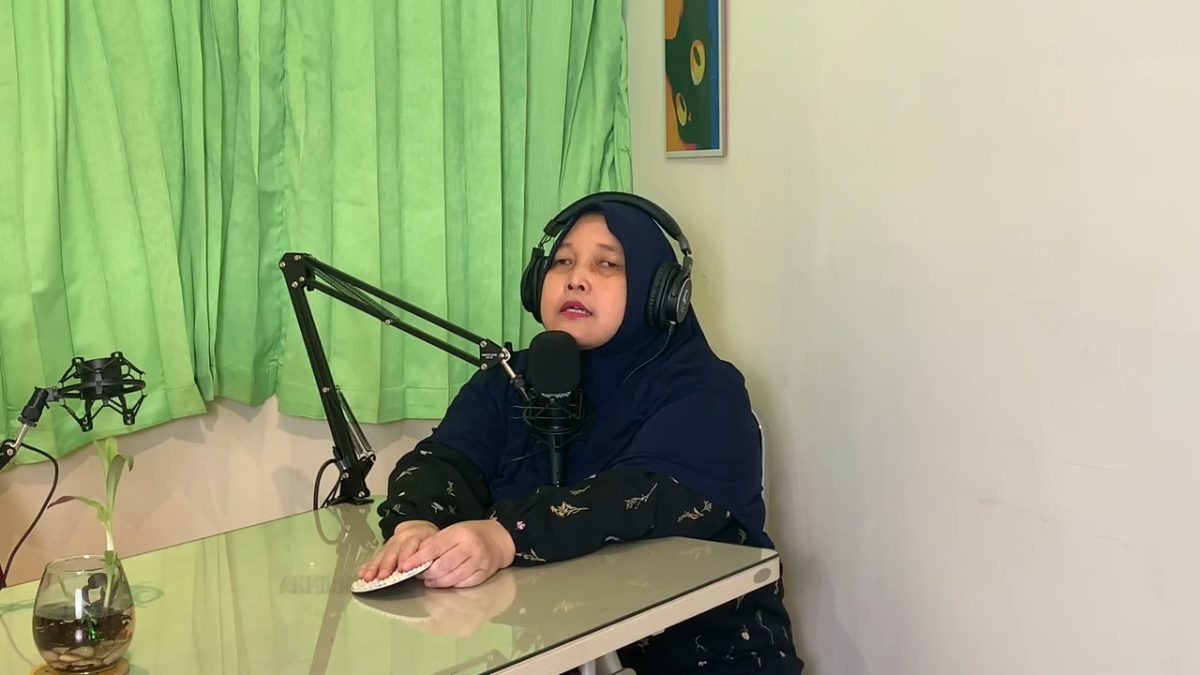
Kartunet - Obtaining access to decent housing is a fundamental right of every citizen. However, for women with disabilities, the path to fulfilling this right is often steep and winding. Sociologically, women with disabilities are proven to experience layered vulnerability and multiple discrimination in various aspects of life. This bitter reality is clearly illustrated in the struggle of Cinttia, a visually impaired single parent, as she sought to obtain housing rights at Rusunawa Jagakarsa, South Jakarta.
Double Discrimination: Hindered by Single Parent Status
The selection process for public housing units revealed a detrimental bureaucratic bias. After painstakingly gathering various required documents such as a disability certificate, ID card, and family card, Cinttia's application was initially rejected by the management. This rejection was not based on financial inability or a violation of primary requirements, but solely because she was a single parent.
The management initially insisted on unilateral assumptions that stigmatized independent women with disabilities. This marriage-status-based rejection is a clear form of double discrimination, where the mobility of women with disabilities is restricted not only due to their physical impairments but also because of their social status as single parents struggling alone.
The DTKS Rate Trap: A Paradox of Disability Affirmation
Bureaucratic challenges did not stop at social status but also extended to the pitfalls of the economic data collection system. Ideally, persons with disabilities are entitled to concessions or cost reductions from the state (such as public housing discounts or public service subsidies) as compensation for the extra expenses they incur due to their disability. Unfortunately, the implementation of the Integrated Social Welfare Data (DTKS) on the ground is sometimes insensitive to this reality.
Although persons with disabilities using a Certificate of Indigence (SKTM) can receive a Rp0 rate, Cinttia had to pay a progressive rate of Rp715,000 per month (excluding token electricity and water costs). This occurred because the DTKS system detected her as falling into the "Decile 6" category simply because she had a job. This system seemingly "punishes" the independence of persons with disabilities; when they strive to work and be economically independent, their affirmative rights or subsidies are revoked or subjected to high rates, ignoring the fact that the cost of living for visually impaired individuals is much higher than for non-disabled citizens.
The Power of Disability Organization Advocacy
Facing such a rigid bureaucratic wall, Cinttia did not give up. She proactively contacted the Regional Executive Board of the Indonesian Blind Association (DPD Pertuni) Jakarta to seek advocacy assistance. Through a proactive approach, the Head of DPD Pertuni directly met with the management (UPRS) and the Housing Agency to dismantle erroneous assumptions about visually impaired individuals and single parents.
This advocacy yielded sweet results. After lengthy discussions, the Housing Agency finally issued a Decree (SK) allowing persons with disabilities to occupy the Rusunawa Jagakarsa quota. This success proves the vital role of Disability Organizations (OPD) in overseeing and ensuring the non-discriminatory implementation of state policies on the ground.
Conclusion
Cinttia's story reflects that inclusive policies are not enough merely on paper. The government needs to refine the variables within DTKS to be more sensitive to the economic burden of persons with disabilities, and to abolish unwritten rules that discriminate against single parent women. Only with an empathetic bureaucracy can the right to inclusive housing truly be enjoyed without discriminatory conditions.
References:
"Honest Review of Rusunawa Jagakarsa from a Disability Perspective: Is it Accessible? How Much Does it Cost? | Pertuni Media" (YouTube).
Bappenas, et al. (2021). Book on Monitoring the Fulfillment of Disability Rights.