
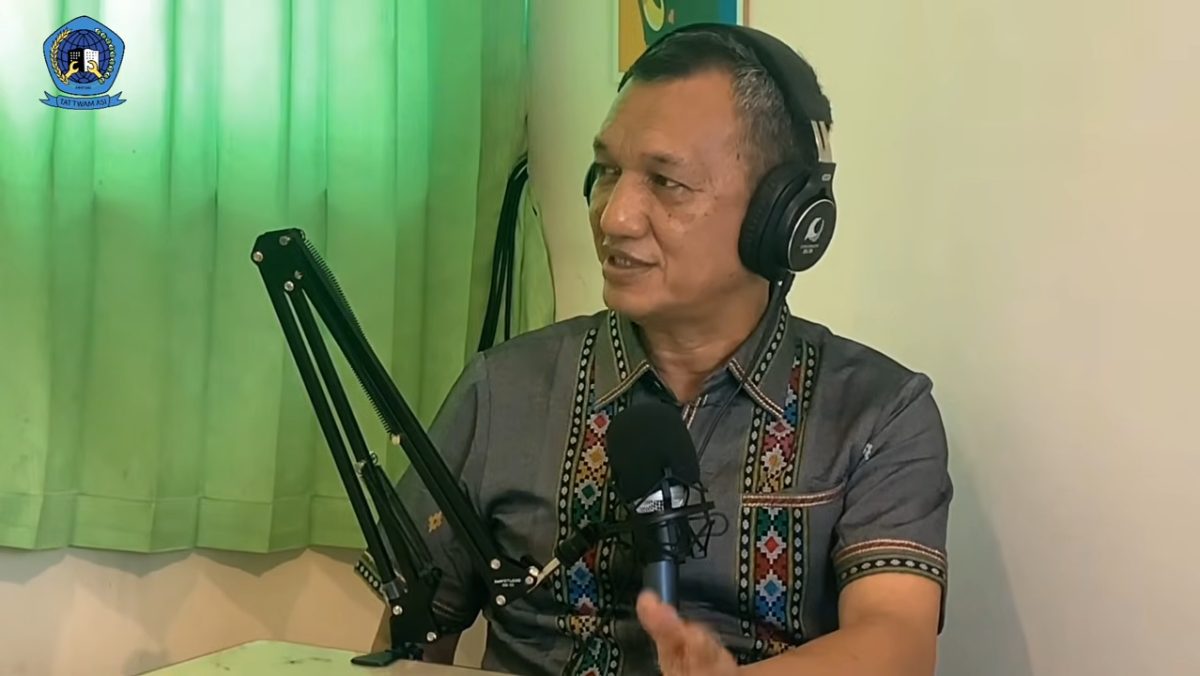
Kartunet - Often, due to a desire to avoid negative stigma or a feeling of wanting to perform "positive affirmation," families choose to conceal the identity of family members with disabilities. However, hiding a disability is tantamount to ignoring the real barriers they face. Kikin Tarigan, Commissioner of the National Commission on Disability (KND), emphasized that for the state to be present and provide affirmative rights, persons with disabilities and their families must bravely come forward and officially register their disability status in the national population data.
Why Isn't Disability Status on ID Cards (KTP)?
Under the Population Administration Law (Adminduk) regime, every citizen is obliged to report every significant life event to the Department of Population and Civil Registration (Dukcapil). However, many wonder why "Disability" status is not visibly printed on their National Identity Card (KTP) or Family Card (KK)?
The answer is that information regarding disability falls into the category of private information. The state protects the privacy of its citizens, so this status is only stored within the "Population Biodata" document in the Dukcapil system and is not displayed publicly. To check whether your disability status has been recorded, you can now use the Digital Population Identity (IKD) application on your smartphone, where your complete biodata profile will be visible.
Guide to Updating Data via F106 Form
If, after checking via IKD, your status is not yet recorded as a person with a disability, you have the right and obligation to update (change) your data. This process is crucial for your data to be synchronized with the Integrated Social Welfare Data (DTKS) from the Ministry of Social Affairs. Here are the practical steps:
- Prepare Medical Evidence: As this status change involves state affirmation, you are required to prepare a Disability Certificate issued by a healthcare professional, doctor, or psychologist/psychiatrist.
- Use Form F106: Visit the Dukcapil office and request Form F106 (Population Data Change Form).
- Select "Other Changes" Category: On the form, in addition to options for changes in education or religion, there is an "Other Changes" column. Use this column to change your population status from 'non-disabled' to 'disabled' by attaching the Disability Certificate as the basis for the determination.
Proactive Outreach: Promoting "One-Stop" Services at the Sub-district Level
KND recognizes that the necessity of shuttling between hospitals (for medical tests), the Social Affairs Office (for DTKS), and Dukcapil (for F106 forms) is very burdensome, especially for persons with disabilities facing mobility barriers. Therefore, KND encourages disability organizations (such as Pertuni at branch/regional levels) to take the initiative to advocate for "One-Stop Services."
Disability organizations can hold an audience with the Regional Head to coordinate a combined schedule between the Social Affairs Office, Dukcapil, and healthcare professionals at a single location. Through this pilot project targeting the sub-district level, medical assessment processes, population data updates (SIAK), and social assistance data collection can all be completed simultaneously on the same day.
Conclusion
Being identified as a person with a disability is not a shame that should be hidden. By proactively updating your data through Form F106, you not only secure your own social protection rights but also help the government map out future infrastructure and accessibility needs more effectively.
References:
- "Why Is Disability Data in Indonesia Always Different? KND Commissioner Speaks Out! | Pertuni Media" (YouTube).