
Kartunet - The state has provided various affirmative policies for persons with disabilities, ranging from job recruitment quotas, access to higher education through LPDP scholarships, to various social assistance programs. However, to access these exclusive rights, persons with disabilities are often required to attach a Disability Certificate (SKD) from a hospital or health authority. Unfortunately, in practice, the bureaucratic process to obtain this single SKD often becomes a new stumbling block.
The Irony of Validity Periods and Processing Fees
One of the main controversies surrounding the SKD is its often standardized and very short validity period, typically only around six months. For most types of disabilities (e.g., physical or visual impairments), the condition is permanent or lifelong. The obligation to constantly renew the SKD every time one wishes to apply for a job or public service certainly burdens persons with disabilities, both in terms of time and effort.
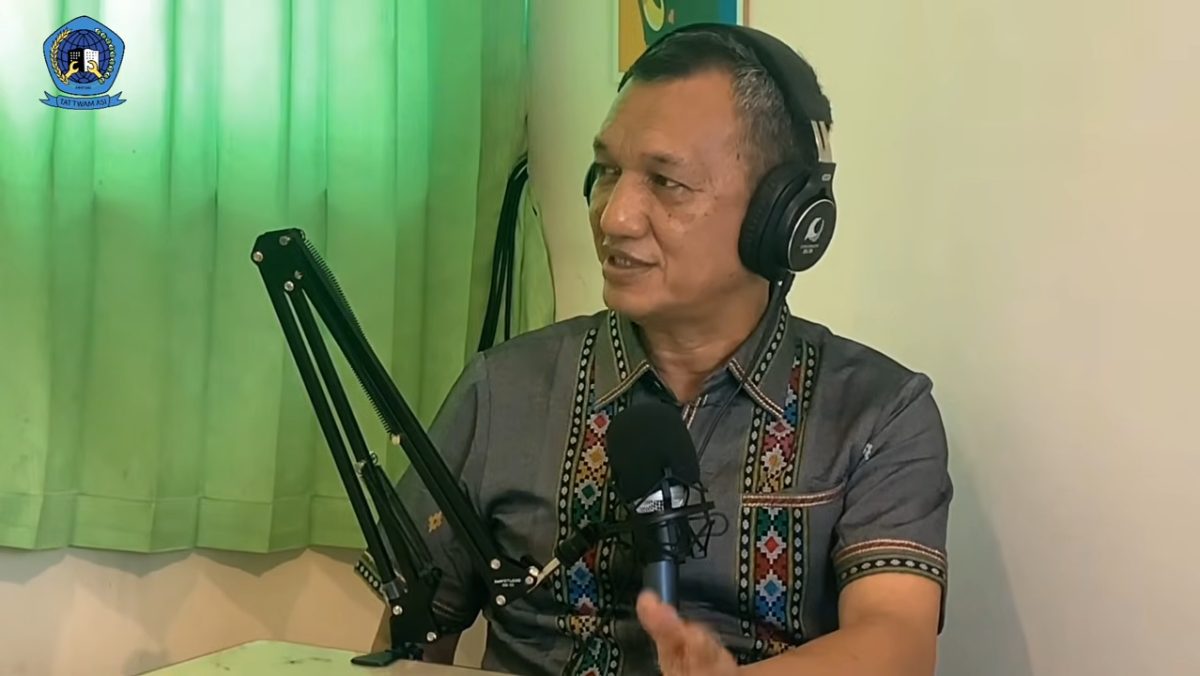
This obstacle is compounded by the fact that processing an SKD at a hospital is not free. Commissioner of the National Commission on Disabilities (KND), Kikin Tarigan, highlighted the irony that these processing fees actually hinder disabled individuals from underprivileged families from accessing their rights. He has recommended to the Ministry of Health that SKD processing fees be waived (made free) to ensure that persons with disabilities are not denied the opportunity to access concessions and assistance.
Crisis of Experts in 3T Regions
Beyond the cost issue, not all regions in Indonesia have healthcare professionals or specialist doctors/psychologists authorized to issue SKDs. Even in areas not far from the center of government, such as the Thousand Islands, let alone in Disadvantaged, Frontier, and Outermost (3T) regions, accessing expert doctors remains a challenge. This puts persons with disabilities in remote areas at a significant disadvantage, as they are unable to validate their disability status with the state.
Loopholes for Misuse: Why SKDs Must Remain Strict?
Although the bureaucracy is challenging, the strictness in issuing SKDs is also based on strong reasons. There are genuine concerns on the ground regarding non-disabled individuals who deliberately "feign illness" or falsify disability conditions to seize affirmative action quotas.
Such fraudulent practices are often found in competitions like the National Student Art and Culture Festival (FLS2N), the National Science Olympiad (OSN), athletic competitions, and even applications for prestigious scholarships like LPDP. To prevent individuals from abusing disability privileges, the principle of due diligence (ground checking) by experts remains a highly essential filter.
Alternative Solutions from KND
To bridge the need for strict validation with ease of access for persons with disabilities, KND offers two alternative solutions based on community and educational institutions:
- Optimization of Special Needs School (SLB) Student Profiles: For children attending Special Needs Schools (SLB), their student learning profiles, already verified by the school, should be recognized as the basis for issuing an SKD or disability status, without requiring repeated medical tests.
- Authority for Disability Organizations (OPD): National-level Disability Organizations (OPD) with management structures down to the district/city level could be granted special authority to issue SKDs as initial verification. This step would significantly streamline bureaucracy, allowing persons with disabilities to quickly access public facilities and concessions that are their right.
Conclusion
The Disability Certificate was essentially created as a bridge to ensure affirmative rights reach their intended recipients, not as an impoverishing bureaucratic wall. Synergy is needed among the Ministry of Health, the Department of Population, and Disability Organizations to formulate SKD standards that are accessible, free, and permanently valid for unchanging disability conditions. (DPM)
References:
- "Why Is Disability Data in Indonesia Always Different? KND Commissioner Speaks Out! | Pertuni Media" (YouTube).