
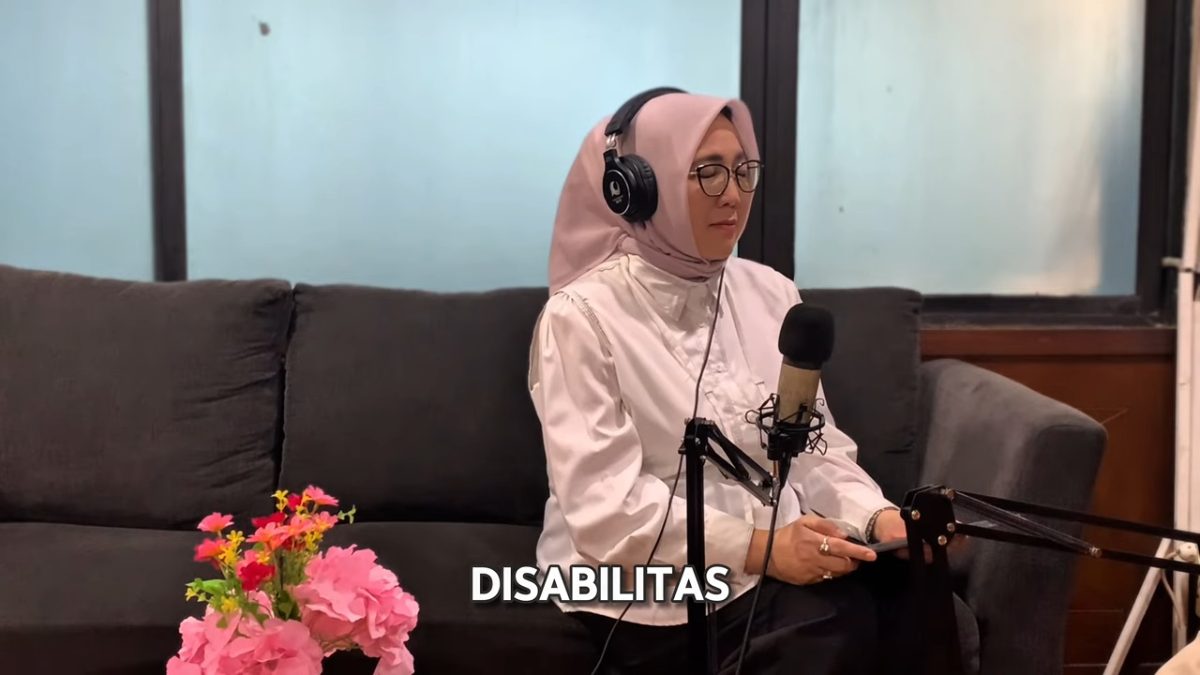
Kartunet - Law No. 8 of 2016 concerning Persons with Disabilities has significantly impacted Indonesia's employment sector through its quota system mandate. Under this regulation, the Government, Regional Governments, and State/Region-Owned Enterprises (BUMN/BUMD) are required to employ at least 2% persons with disabilities, while private companies are mandated to employ at least 1% of their total workforce.
In practice, however, this quota target often faces a deadlock. On one hand, many companies struggle to find competent disabled candidates and are unsure how to provide appropriate accommodations. On the other hand, disabled job seekers also find it difficult to locate truly accessible job openings. To address this supply and demand issue, the government has introduced a systemic solution called the Disability Services Unit for Employment (ULD).
What is the ULD for Employment and What are its Functions?
Based on Article 55 of Law No. 8 of 2016, Regional Governments are required to establish a Disability Services Unit within the local government agency responsible for employment affairs. The technical implementation of this institution was further strengthened by the issuance of Government Regulation (PP) No. 60 of 2020 concerning the Disability Services Unit for Employment.
The Ministry of Manpower (Kemenaker) of Indonesia describes the ULD as a platform or "matchmaker" connecting disabled job seekers and employers. Technically and legally, the ULD's tasks are crucial, encompassing:
- Planning and Information Provision: Providing information to both government and private sectors regarding the entire process of recruitment, hiring, training, placement, and career development that is fair and non-discriminatory for persons with disabilities.
- Dual Assistance: The ULD not only assists disabled workers but is also obligated to provide assistance to companies (employers) who hire them.
- Accommodation Facilitation: The ULD is responsible for coordinating employers and workers in providing work aids tailored to the specific needs of persons with disabilities.
This assistance in providing accommodations is vital. Without proper accommodations, persons with disabilities will continue to face barriers during work, which can ultimately lead them to resign and lose their jobs.
Challenges and Optimization of ULDs in the Field
Despite a strong legal foundation, the implementation of ULDs in the field still faces various challenges. Kemenaker openly acknowledges that the current duties and functions of regional ULDs are not yet operating optimally. As of mid-2024, only about 267 ULDs have been established, spread across 31 provinces, 61 cities, and 173 regencies. This number is not evenly distributed, especially in eastern Indonesia.
Beyond expanding their numbers, the biggest challenge for ULDs lies in the involvement of persons with disabilities themselves in their management structure. Currently, the participation of persons with disabilities within ULDs is considered suboptimal. Yet, as emphasized by Kemenaker, those who best understand the world and accommodation needs of persons with disabilities are, naturally, persons with disabilities themselves.
Conclusion
Untangling the deadlock in fulfilling the 1% and 2% employment quotas cannot be achieved merely by forcing companies to open vacancies. An active and competent bridging institution is required. Optimizing the Disability Services Unit for Employment (ULD), providing entrepreneurial training, and fostering close coordination with Organizations of Persons with Disabilities (OPD) are key to creating a truly inclusive, equitable, and sustainable workforce ecosystem.
References:
- Law of the Republic of Indonesia Number 8 of 2016 concerning Persons with Disabilities.
- Bappenas, et al. (2021). Book on Monitoring the Fulfillment of Disability Rights.
- "Blind People Want to Work But Are Made Difficult — This is What the Ministry of Manpower Says | MEDIA PERTUNI" (YouTube).