
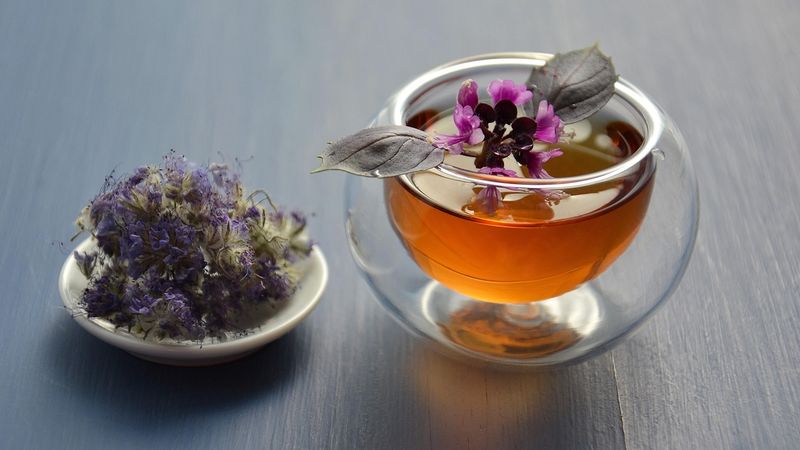
A Basic Health Research (Riskesdas) conducted in 2010 showed that 59.12% of the Indonesian population had consumed traditional herbal medicine (jamu) for health. Dr. Arijanto Jonosewojo, SpPD FINASIM, stated that while herbal medicine is not 100% safe, its side effects are generally smaller when compared to chemical drugs. The side effects of herbal medicine are individual, meaning what works for one person may not work for another.
Therefore, the indications must be precise, and one must be vigilant about potential side effects.
"Herbal plants, just like factory-produced medicines, cannot be consumed indiscriminately," said the Head of the Surabaya Association of Natural Medicinal Ingredient Researchers (Perhipba). Currently, many herbal treatments are circulating in society, claimed to cure certain diseases, even though they are only based on empirical experience or preclinical trials on animals.
Arijanto stated, "Doctors have never rejected the use of herbal medicine, but doctors are bound by medical law, which dictates that they must prescribe medicines that have undergone clinical trials." The use of herbal medicine cannot be mixed with chemical drugs, as this can lead to side effects that may mutually strengthen, weaken, or even nullify their functions.
So, for safety, they should be used separately: herbal medicine alone, and chemical medicine alone. This applies even if we consume herbal medicine in the morning and chemical medicine at night. Furthermore, a safe tip is that it must be with a doctor's prescription. Source: Leisure Supplement Republika, Tuesday, April 15, 2014. Page 7: Health