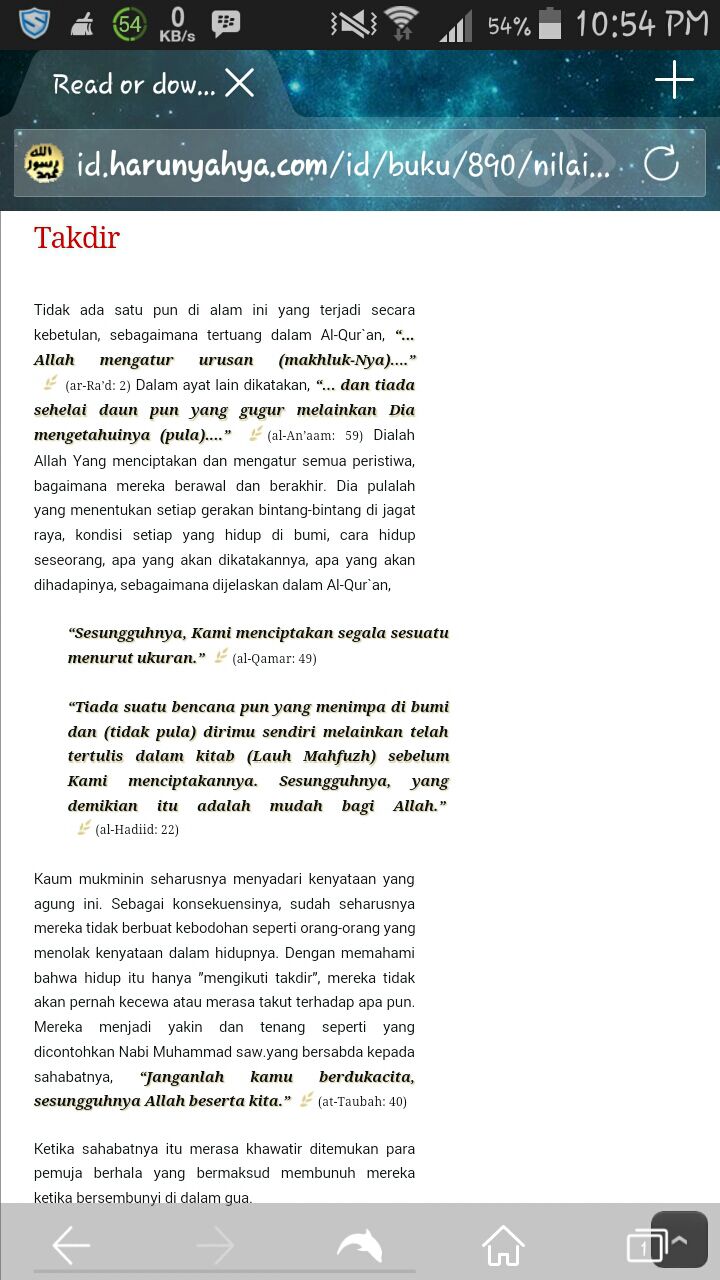
Teddy Bagus Hernowo is someone I've known since 2005 when he was in his first year of undergraduate studies at Gunadarma University, Faculty of Psychology. In the photo, he is on the left and I am on the right. He is affectionately called Teddy. Teddy is of Javanese descent from his father, who hails from Pekalongan, and Sundanese descent from his mother, who comes from Majalengka. Teddy lives on Jl. Keadilan Raya, East Depok. In his second year, he was in a different class from me. He was in the honors class, specifically from class 2 PA 01 to class 4 PA 01. To get into the honors class, he shared some tips for staying motivated in studies: 1. Supportive Parents His mother was always there for him through his ups and downs. When he was feeling down, he would always ask for advice and support. His communication with his parents was open and smooth. His relationship with his parents was like that of friends, even more so. When he felt unmotivated, his mother would advise him, especially since she had more time at home compared to his working father. 2. Holding steadfast to religion He practices Sunnah, such as night prayers and fasting, based on his parents' guidance. This is what strengthens him, especially when facing difficult situations like college, making it manageable. Difficult situations included not finishing college on time, struggling with data, getting scolded by lecturers, and unstable family conditions. Don't reject the destiny set by God; don't resort to suicide or wrong associations. That's why religion is important. If we follow destiny, we won't be afraid, we'll be confident and calm. He once worked in HR, dealing with adults, but felt uncomfortable until he eventually quit, seeking work related to the world of children. He was also inspired by his idol, Kak Seto. He is a man, yet he can be close to children. He once worked as a shadow teacher (a companion teacher for children with special needs). Initially, it was because he was an only child and had no younger siblings. Seeing children made him want to play with them. At first, it was not easy to handle children with special needs. His glasses were once thrown, the frames bent, and his hand bitten – these happened during tantrums. So, he really had to be very patient. But after that, he understood them better because, as a teacher, one must be patient in handling them. Initially, he thought it was strange, 'Why is it like this?' Eventually, he understood, 'Well, they are children with special needs.' Due to his desire to gain more knowledge, especially regarding handling children, he decided to take a break and then try to test for admission to the Clinical Child Psychology professional master's program at the University of Indonesia. He registered and took the test, but it wasn't meant to be. During the selection process for the professional master's program, he was accompanied and supported by his mother. When he found out he didn't pass, his parents motivated him not to be discouraged, to keep his spirits up because Allah knows what's best for us, for Teddy. He decided to look for other universities, even going to Tarumanegara under the scorching sun, experiencing leaving at 6 AM for tests using the train and busway. It turned out that the busway was jammed. He even looked for a boarding house but saw that the area was prone to flooding, so he decided against it. He tried Gunadarma, initially attracted because it had Clinical Psychology and child development courses related to child clinical psychology. After inquiring at the master's department, the fees turned out to be affordable, with a 50% discount. His parents had already retired, so he didn't want to burden them further. So, he decided to enroll, and after seeing it, it was indeed good and comprehensive. He said, “When someone complains about another person's outpouring of feelings, then that is a response to their own shortcomings. So, they are using a defense mechanism, what's it called? Actually, they are fragile but don't admit it, feeling too proud, not being authentic but having ulterior motives. They are like wearing a mask. They don't want to see others' flaws, only appearing smart.” “There's no need to mention names; when we are entrusted as a confidant, we should be able to keep it, to guard secrets. That way, the person confiding in us can continue to trust us. It's like a mirror; if we keep a confession to ourselves, it's good, but if we reveal it, it will bounce back to the person.” Teddy continued. “No one wants their secrets exposed when they've been trusted,” he added. According to him, complaining is natural, normal for an ordinary human. From a Nova magazine article written by a psychologist that his mother once read, he was advised not to feel insecure, because everyone is actually equally unconfident but they are good at hiding their insecurity. Hiding insecurity can be positive or negative. “Insecurity occurs when one feels unconfident, leading to a negative self-concept, when in reality it's not true, they just haven't realized their potential yet.” Teddy said. Teddy added, “The negative way is by being arrogant, cocky, and haughty. The positive way is to return to religion, through prayer, to become confident.” He told me that he once experienced: 1. Eating difficulties He found it hard to eat in public. This led to him being scolded by his father, which traumatized him and made him uncomfortable eating in public. Thanks to his parents' support, he recovered. Initially, he told his mother, who then took him out to eat, training him, though it was still difficult. At one point, he told his father. He was sad because he had been scolded. However, his father eventually apologized for not telling him gently. He overcame his social eating phobia after one year and can now eat normally. 2. Nausea, vomiting, and sleeplessness the night before a presentation He experienced this since high school, but only realized its cause in his master's program. Before a presentation, he would feel nauseous and vomit in the morning. The night before, it was like insomnia, feeling anxious, which affected his presentation, making it less than optimal. Initially, in high school, he was criticized by a close female friend. Usually, she was very kind, but during a presentation, she compared him to his male friend while showing a disparaging, sarcastic expression, which made Teddy feel belittled. Years of hurt feelings were stored up until he was attending a counseling session, where he was asked to do a role play with Ms. Taganing, a psychologist. When he was probed (a term in counseling) by Ms. Taganing, it turned out that all of it stemmed from high school. After that, he was given input: a. Forgiving those who hurt him What are the signs of forgiving someone? It may not be visible, but once it happens, we will be in a stable emotional state, like before we knew them or before the conflict. The memory of being hurt cannot disappear, but when remembering them, there's a normal feeling in the chest. That's sincere acceptance from that. b. Accepting oneself as is, both strengths and weaknesses, consciously, because fundamentally, no human is perfect. No matter how successful a president or those around us are, there will always be flaws, but it all depends on whether they make peace with them by developing their potential (willingness to change). c. Being grateful Indeed, some people don't motivate, which is a test, but don't think everyone is the same because there are still good people, so just be patient. Those who don't motivate usually give criticism or harassment, but consider that person to be making us better if it comes from the right person, like a lecturer, for example. A lecturer or that person does it because they want us to be better. Unless, the criticism and harassment come from someone who dislikes you, then that person is disrespectful, so just assume they don't understand. So don't stress, then life becomes enjoyable. When I said, “I'm too lazy to do anything,” he replied, “No, just worship.” So I felt motivated. To motivate oneself, one can achieve. From Teddy, I learned that there are overlooked achievements, namely doing good and valuing oneself. Simple, right? Achieving doesn't have to be about grandly winning awards. Award winners are usually smart. Teddy said, “Everyone can be intellectually smart, but first improve your character, be good to people, be sincere without expecting anything. That can be seen, and corrupt people are seen manipulating and lying during college.” Teddy has life principles: • We have shortcomings, but if they can be suppressed, don't let them harm others; that's why religion is the foundation. So when you make a mistake (which can be known through introspection, reflection), whether you have hurt someone or not. If yes, apologize to that person. • Behave assertively when you don't like something, in a good, wise way, not just lashing out. • “Don't let people take advantage of you” because if you're too kind, that's what happens, people take advantage of you. “The wisdom is that whatever happens in our lives, it's all arranged by Allah. Like when speaking, what needs to be faced, it's all in the Qur'an.” He said, then proceeded to read me a piece about destiny. After he finished reading. Out of curiosity, I asked him again for his view of me. According to Teddy, I am a woman who wants to strive forward. Tyas is also tech-savvy and keeps learning. Tech-savvy in that we used to play games together, utilizing forums. Tyas became more advanced in that regard, unlike other women who are lazy and thus unable. Teddy and Tyas once planned to combine Psychology and technology, but it hasn't materialized yet. Besides that, Tyas is also pleasant to talk and discuss with, humble, not arrogant, so it's nice. Tyas is also easy going, meaning she's willing to go anywhere, and she's easy to befriend, not picky, because there are arrogant people who have a computer hobby and only want to chat with those who share the same hobby. Tyas is not like that; she adapts. That concludes this story; I hope it is useful. Thank you.
Teddy: Navigating Life with Parental Support, Religion, Psychology, and Life Principles
- Author
- tyaseta
- Published date
- Estimated reading time
- 9 min read
- Views count
- 5 kali dibaca
Category: Inspirasi
Tags: motivasi, Lomba Artikel Inspiratif