
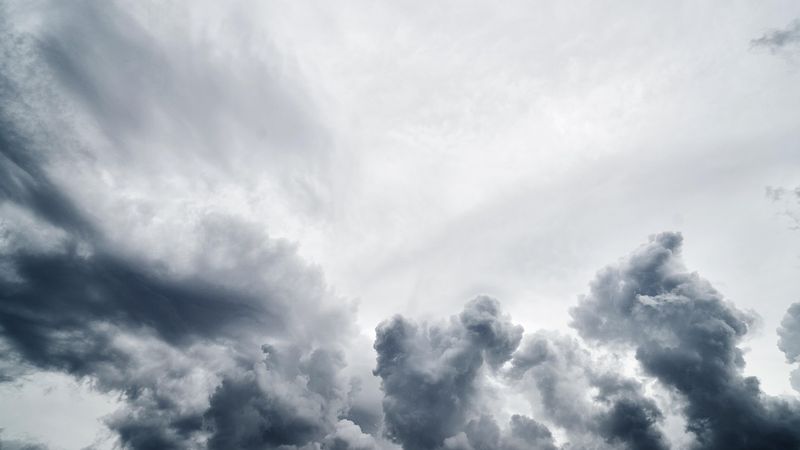
"Tomorrow, the Sky promises rain!" The shout was met with a simultaneous roar of excitement from everyone. Some jumped for joy, some offered thanks, some stared wide-eyed in shock, but there were also those who raised an eyebrow, questioning the truth of the newly delivered announcement. "How do you know that, Tadpole?" asked Mr. Totol to Tadpole. "I heard it from Pitak, sir, he saw the announcement in the magic aquarium at the white house." Hearing this, Mr. Totol turned to Pitak, who had been jumping with joy. Mr. Totol understood Pitak's behavior, perhaps because Pitak was still a child. But their kind did love to jump and chatter. "That's right, sir," Pitak continued, "I watched the weather forecast in the magic aquarium, and it said tomorrow the Sky promises rain!" His words were once again met with a roar of excitement. "Are you sure, Pitak? That's just a prediction, isn't it? A forecast? Or whatever it's called." "100 percent, Mr. Totol, I'm sure about this. It's technology, after all, it won't miss!" Mr. Totol nodded, then Pitak continued, "It's the Sky that's promising, so I believe it. If it were people promising, I wouldn't believe it, because people often lie, just like the representatives in parliament; during campaigns, their promises are sweet, but once they're in office, they're busy thinking about their own stomachs!" Pitak's words were met with laughter. Mr. Totol understood that his people's excessive enthusiasm this time was quite natural, as they hadn't been drenched by rain for several months. The mushroom fields were drying up, moss reserves were dwindling, and even their living pond was now just a small puddle, forcing them to take turns bathing. The prediction was that if it didn't rain tomorrow, they would face drought and slowly die. He couldn't bring himself to tell his people this, and when he heard the news "Tomorrow, the Sky promises rain" from Pitak, he couldn't help but feel relieved, though it was also accompanied by a sense of anxiety.
~ Headline news The capital's governor expressed pride in the nation's sons' progress. As a result of the weather modification carried out by them, the rainfall that was expected to flood the capital was successfully diverted elsewhere. This was welcomed by the citizens, despite requiring a very large cost, which was actually the people's own money, derived from paying taxes. "At least we didn't suffer material losses and psychological trauma," said Ujang (a motorcycle taxi driver) who claimed his village was always hit by floods every year. Anton closed his father's morning newspaper, then grabbed a piece of toast and walked to school. He loved the rain, he loved the smell of the earth, the patter of drops, playing soccer in puddles, but his desire had to be suppressed, at least until next year. He looked around; his usually lush yard now appeared barren. His eyes fixed on a small puddle in the corner of the fence; the puddle was almost dry, but many frogs were piled on top of it. They appeared dead, with open mouths, bulging eyes, as if saying, "Tomorrow, the Sky promises rain!"